

Make Use of the Free Food Around You | by Jay Mitchell
As the cost of food continues to increase, I find it surprising that more people don’t make use of the abundance of free food that is available. My ideal day off in the summer months is spent hunting for new berries and finding new foods in the parks around me. Foraging is a skill that is disappearing, yet healthy eating is more fashionable and food prices are rising faster than anything else.
It’s not just for those who live in the countryside, the vast majority of us have a park nearby, public footpaths, and green spaces all within an easy distance. Even the quieter roads on the edge of town offer some great places to forage.
While most of us have seen a few blackberries at the side of a road, we understandably wouldn’t pick them. While I wouldn’t advise picking by a busy road, the berries probably have fewer pollutants than the pesticides and chemical fertilisers that are used on commercial fruit. But there are lots of other plants that provide some great fruit that we rarely use now. For example, Rowan is a common tree in most towns and produces masses of berries that are left, but Rowan jelly was used for centuries before we began importing Cranberry sauce!
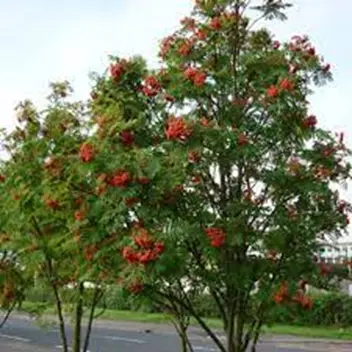
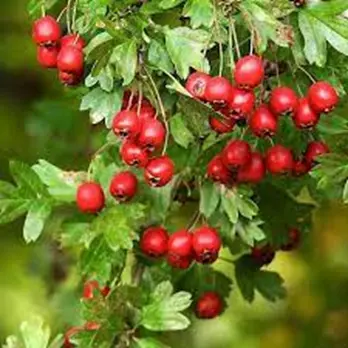
There are countless recipes to find online, some great flavours and traditional favourites that seem to have been forgotten.
Where?
It can be off-putting not knowing where to go to find the right places to forage, but a little exploring can provide the best results. That corner of the park you never go to, the public footpath, or the quiet street can all prove to be fruitful (no pun intended). I’m lucky, I have an old disused railway close to home, and there is an abundance of foraging opportunities along there. Any green spaces can provide, and taking a walk every month along a new path will show you what there is on offer.
Being able to identify what you can eat and what you can’t also put some people off, but again a quick internet search shows the plethora of edible plants we have growing wild. Blackberries are often where people start and then they go on by identifying the plants growing nearby. The only thing to avoid is mushrooms, leave mushroom foraging to the people in the know! Mushrooms have many varieties that can look very similar and getting it wrong can be deadly. Others can make you extremely ill, and the stomach cramps some can cause are beyond painful. Fruit is much easier to identify, and the consequences of a mistake are nowhere near as severe!
Of course, starting out in the middle of winter is not going to give you much inspiration, but wrapping up and exploring new paths and bits of the park is well worth doing. Checking these areas once a fortnight, or even monthly, will show you what is on offer there throughout the year. Along the disused railway I regularly walk along, we found a few apple trees, a pear tree, and even damsons growing wild, none of which I would have recognised without happening to walk along there at the right time of year.
What to Make
It can be a little daunting figuring out what to do with a bag of fruit that you’ve managed to pick, and again I rely on the internet for advice. Pies and crumbles always go down well, and jams work well too, but a quick search online gave me recipes for fruit “leathers”, a sweet alternative to the chemical rubbish my son usually insists on in the shop! He also enjoys making jams and chutneys, and especially enjoyed a blackberry cordial, again a lot healthier than the squash he usually drinks.
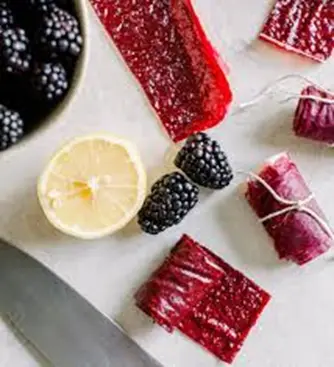
And for the adults, with a little inexpensive equipment, you can make wine at a small fraction of the cost of buying a bottle! A couple of buckets (food-grade only!), some syphon tube, sugar and yeast is all you need, though I would very much recommend buying proper fermentation buckets! The equipment is not expensive, around £60 will be plenty to get what you need, and then your wine will cost you less than 50p a bottle! Again, there are plenty of recipes online for country wine or hedgerow wine. I make several gallons of Hawthorn wine every year and am questioned repeatedly on what I use the small red berries for. Contrary to the childhood rumour, they’re not poisonous!
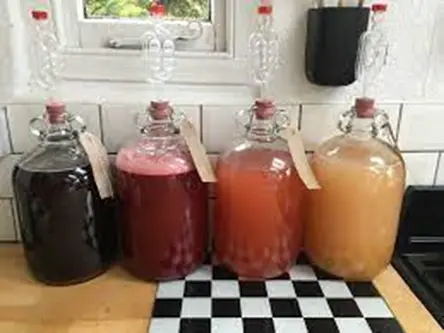
The wine is really popular too and makes the summer barbecue SO much cheaper! The compliments from everyone trying the wine certainly help and you can even end up with a few of you competing for the title of “Best Hedgerow Wine Maker”!
Added Bonus
There is also an added bonus to all of this. In a previous article, I explored the health benefits of spending time in the natural environment. Not only do you get free food, but you can also feel better just by being there!
Pickles, Jams, Chutneys, Wine, Sweets, Pies, Crumbles... The list of things you can make goes on. Many of them are much cheaper and much healthier than a shop-bought version, and they take less time and effort than you think!
Jay Mitchell is a Data Literacy/Data & Insights for Business Decisions apprentice at Direct Line Group and is writing for the Apprentice Lens as part of the Blogging Team. Here is a little more about him:
"I was diagnosed with ADHD a few years into my 40s, which probably explains the numerous unfinished projects I seem to be surrounded by. I enjoy drawing on my own personal experience for my articles, with a view that any advice is meant as “You could do this” rather than “You should do this”!"