

MLK Day Interview with Business Coach Ifeoma Nwoke

(3 min read time)
The Multiverse Community sat down with Ifeoma (A BA and DBA coach at Multiverse in the US) to discuss MLK Day.
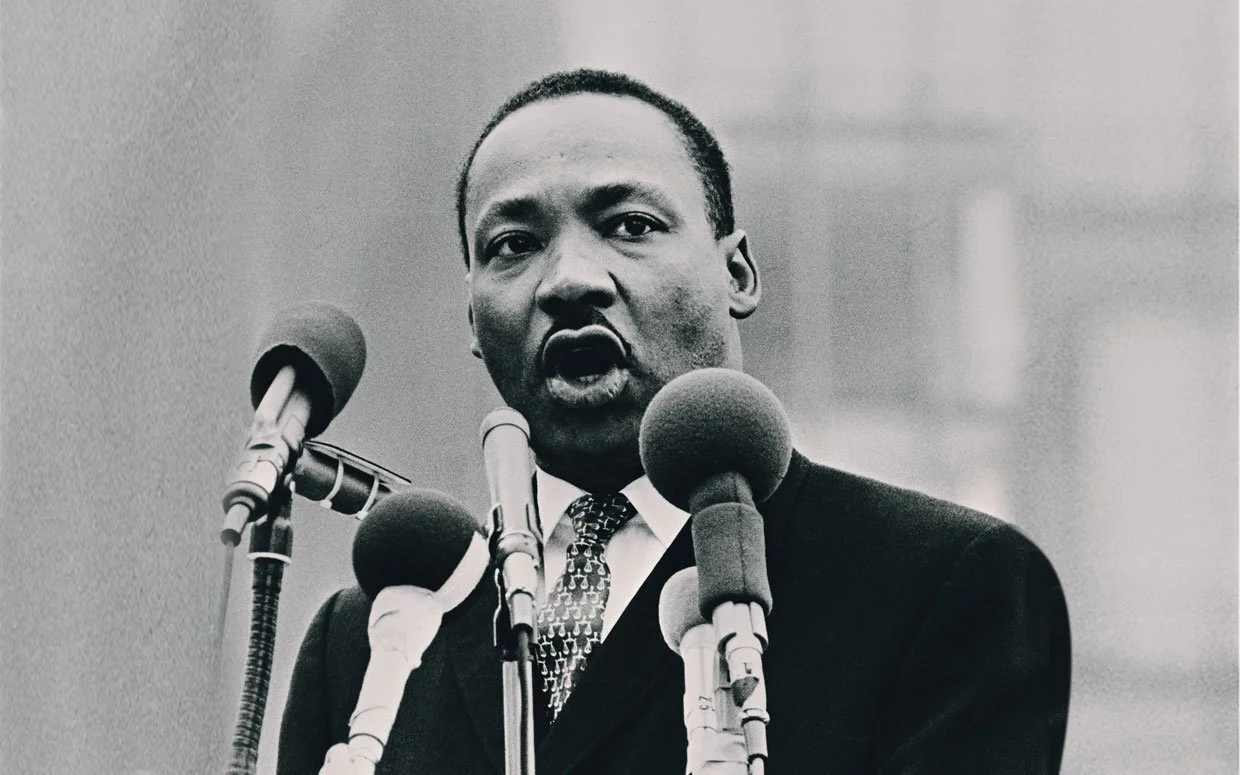
So Ifeoma, service is something that is particularly important to you. Tell us how you became so passionate about it.
Sure. I ultimately think that at the root of service, is storytelling and community building. I grew up the daughter of a single immigrant father from Nigeria and with all of our extended family in Nigeria, I was not only drawn to serve as a means of building community but also grounding myself in community. I also loved books growing up, so it was an opportunity to share stories with people who not only looked like me but also had very different experiences from me.
As I grew older and was exposed to injustice and the core disparities that exist in this world, it made me so much more determined to prioritize the community in my life.
With MLK Day being this month tell us how his impact has influenced you and your drive to serve others?
I remember reading this speech given by MLK to a group of sixth-graders called “What is Your Life's Blueprint?” six months before he was assassinated. In that very short speech, he says to them “Don't let anyone make you feel like you're nobody. You are worthy of dignity, of love of wanting something more for yourself.
This struck me because it was a call to action to these young 11 and 12-year-olds at the back of the backdrop of the Civil Rights Movement in the 50s and 60s to reflect on what they want for their lives. The idea of worth is such a simple concept, but with the harrowing legacy of racism in this country, it's been denied to Black and Brown folks, that they're worthy of basic needs.
So hearing and reading that speech just spurred me to action. It made me want to share that message with people in my community –that not only are you worthy, but your community is worthy of better.
It's been 54 years since MLK was assassinated. There is clearly progress that is either long overdue or still not being made when it comes to racial inequity -- especially in the workplace. I know this is a loaded question, but what are some challenges that are unique to Black professionals that you have noticed recently?
With the combination of the pandemic, protests, and the Black Lives Matter movement at the forefront of 2020-2021 – a lot of Black professionals that I speak to personally have had to be champions of diversity, equity, and inclusion in the workforce. As the sole Black person in previous work environments, this was tough because I knew that certain issues had to be addressed, but I didn't want to be that person to address them. However, if I didn’t address them, then I knew that my fellow colleagues wouldn't have a space to discuss these issues and this would continue to perpetuate toxic behaviors.
Also, a lot of Black professionals are being told that their reactions to microaggressions and toxicity are exaggerated. That fuels resentment and questions one’s commitment to an organization and their sense of belonging.
What advice would you offer to our apprentices facing similar challenges?
I think that's why Multiverse is so incredible because there are apprentices that look like them and share similar experiences. So I would encourage them to tap into the Community at Multiverse with fellow apprentices, their coach, or the different niche groups that exist within the network.
Secondly,– and this depends on your comfort level– is to advocate for yourself. It is easier said than done, but I think it's it's so important to advocate for yourself and to lean on your community to help you find the right words and approach to advocating for yourself with your managers and team members.
Also, keep in mind that one conversation does not change a culture. So think about putting together a plan that allows your colleagues to see your vision for change within your organization.
MLK quoted as saying that all one needs to serve is a “heart full of grace and a soul generated by love.” Therefore how would you encourage apprentices to adopt this and be of service to their peers and colleagues?
I would say the most important thing that any apprentice can do is to share their story. I think that sharing your story is an act of service. For so long, the stories of people who have looked like our apprentices haven't been told. They've been discounted or used as cautionary tales and not as tales to be revered.
So I would say to apprentices, that taking the time to share their story with their colleagues, fellow apprentices, and coaches is the first step in making yourself heard, and it's the first step in building a more inclusive community. Once you share your story and ask others to share as well, we build community and get a better sense of what the community's needs are.